Witchfound
Wasted witches whispen on the wind, a zodiac zephyr set to sire a storm; bound bodies swing as bells, and start to chime
A witch hunt – or whatever it may be called – is what happens when a person or group, suffering from paranoia or narcissism, takes advantage of current pervading fears to secure their own position.
One of the most famous examples in British history is Matthew Hopkins, who gave himself the title “witchfinder general” and terrorised communities in East Anglia during the mid-1640s. Another is the trial of the Pendle witches in 1612, resulting in the hanging of seven women and two men – which local artist Rosie Hepworth recently explored in a series of linocut prints.
It’s said that, in the period of English history when public hangings were part of the “justice” system, there were more hangings in Lancaster than any other part of the country. That’s partly because the assizes at Lancaster Castle covered a significantly larger geographic area than most. Partly.
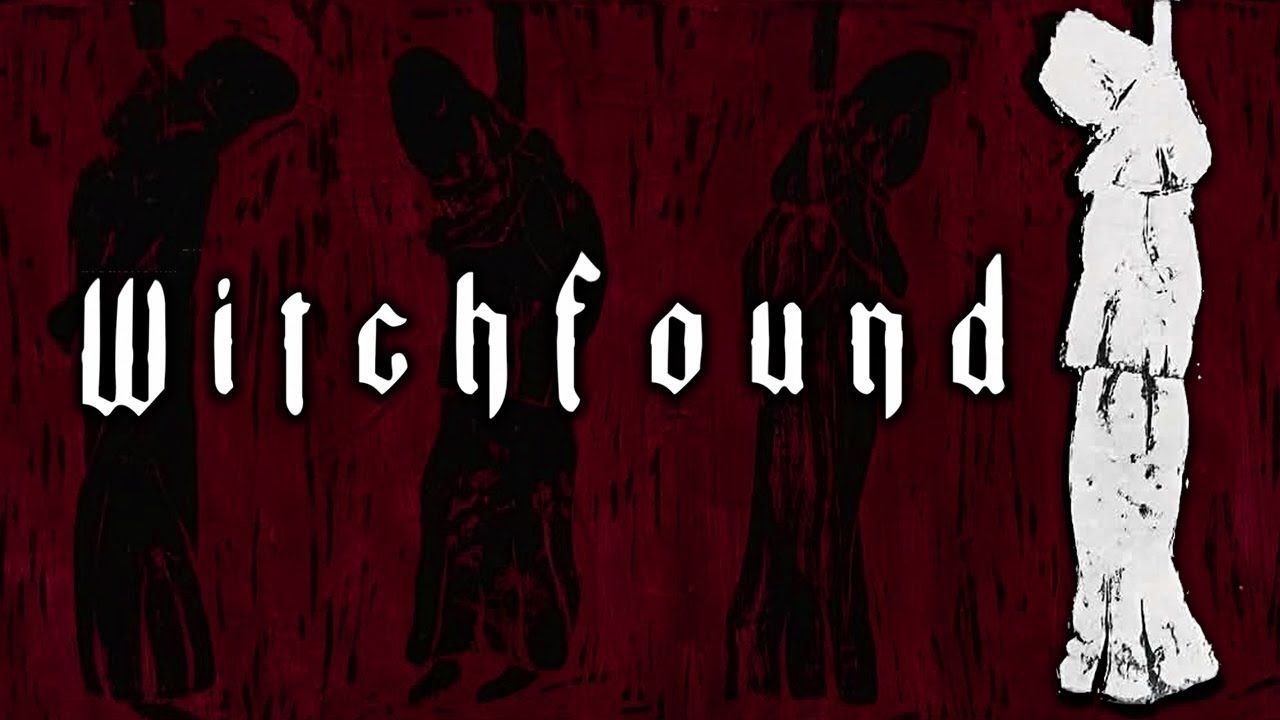
When I met Rosie Hepworth (yes, in a pub - The Pub, actually) she told me about her passion for linocut art; a dying art, which wasn’t favoured by her art teachers. I’m glad to say it was favoured by me – particularly the imagery she’d come up with to explore the infamous Pendle witch trials in Lancaster.
One of the several struck me with almost physical impact. It was one of a series she’d done on four bodies hanging from trees. This one in particular, I felt, was shocking to the point of exclamation; I imagined the person behind the deaths standing where the viewer stands and thinking, “What have I done?”
Matthew Hopkins wasn’t around during the Pendle trials, but he was very much responsible for many deaths – between 200 and 300, it’s thought, and most of them women. He appeared seemingly from nowhere in 1645, invented the title “witchfinder general” for himself, then after two years of terrorism he died. It’s reported that tubercolosis killed him; but did someone exact revenge instead? Or – and I know this is a long shot – did his guilt catch him out?
Regardless, most of us have had the feeling, when first doing something that’ll become commonplace to us, that we’ve changed ourselves in the commission of the act. And not always for the better. “What have I done?”
Rosie had some great ideas for a video, but her talent base is so broad that you don’t get much of her runtime. Thus, I came up with a very simple but, I think, powerful animation of the image I liked most – and I think it has something raw, rough and confidence-shaking about it. Which is what I was looking for.
Sadly it was too raw and rough for YouTube, who “choked” it on good taste standards. It seems that if you write a story about witches being hanged, it’s too much to show an abstract image of witches being hanged. (I’m aware that those in the horror genre are really struggling to achieve “traction” for their work on several social media channels, probably because the corporations are cautious about upsetting the several thousand middle-American “Christians” with “moral standards” that don’t seem to apply to them, and therefore impact the entire planet with their rather suspect ethos.)
So I made another video, flashing through some of Rosie’s other works, and it’s fine – it’s always worth seeing what she’s up to – but it doesn’t have the teeth. I still hope to work with her again. It was fun, and it’s always great when you find someone who seems to match you attitude for attitude.
Story: Martin Kielty
Artwork: Rosie Hepworth
Audio elements by Freesound_community and Nematoki @ Pixabay
Wasted witches whisper on the wind
A zodiac zephyr set to sire a storm
Bound bodies swing as bells, and start to chime;
What have I done
What have I done?
Souls who once made potions for the poor ~
More potent now, as truth defies my crime ~
Sing now of primal pain from shattered throats:
‘What have you done
What have you done?’
Their honest curse cuts through like cold clawed fingers
A scream through all the nights that are to come:
‘The years will turn for e’er but ne’er forget
What you have done
What you have done.’